
Health Surveillance · COSHH · Noise · Vibration
Health Surveillance for construction & industrial workforces across Scotland
Audiometry, spirometry, HAVS, skin and night worker assessments — delivered at our Stirling clinic or on your site across Falkirk, Glasgow, Edinburgh and further afield in Scotland, and overseen by an Occupational Health Physician.

What is Health Surveillance?
Health Surveillance is the ongoing monitoring of workers exposed to specific workplace hazards: noise, vibration, dusts, fumes and substances that cause harm over time. Where the relevant regulatory criteria are met, Health Surveillance becomes a legal requirement under the COSHH Regulations 2002, the Control of Noise at Work Regulations 2005 and the Control of Vibration at Work Regulations 2005.
Done well, it catches hearing loss, hand-arm vibration syndrome, occupational asthma and dermatitis early, while they are manageable, and gives you the records to demonstrate compliance to the HSE and to principal contractors.
Health Surveillance services we provide
| Assessment | Hazard | Typical frequency |
|---|---|---|
| Audiometry (hearing tests) | Regular noise exposure above the upper EAV (85 dB) | Annually for first 2 years, then 3-yearly |
| Spirometry (lung function) | Silica dust, welding fume, isocyanates, flour dust | Typically annually |
| HAVS assessments (Tiers 1–5) | Vibrating tools — breakers, grinders, chainsaws | Annually; Tier 3/4 by clinical referral |
| Skin surveillance | Cements, resins, solvents, cutting oils | Annually, with self-checks in between |
| Night worker assessments | Night work under the Working Time Regulations 1998 | Before starting nights, then regularly |
Frequencies are indicative — the Doctor sets each worker’s recall based on results and exposure. For a deeper look at vibration surveillance, see our guide to the five HAVS tiers.
Audiometry — hearing tests
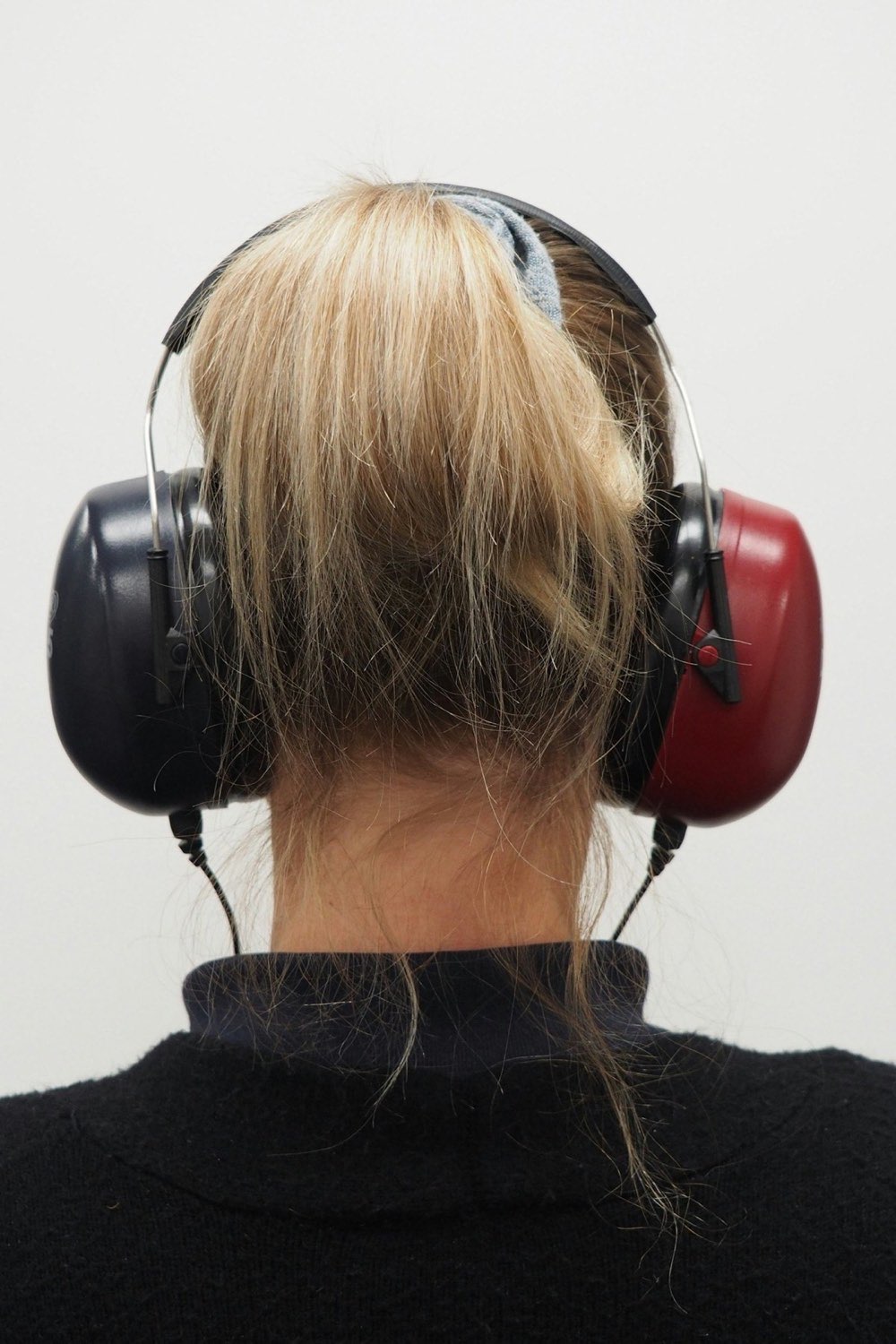
Where noise regularly exceeds the upper exposure action value of 85 dB(A), hearing checks are a legal duty. We test in calibrated conditions at the Stirling clinic or bring a mobile booth to your site, categorise results against the HSE reference tables, and review anyone showing early hearing loss with the Doctor. Noise-induced hearing loss is irreversible but entirely preventable — audiometry is how you find it while there’s still something to protect.
Spirometry — lung function testing
Lung function testing for workers exposed to dusts, fumes and respiratory sensitisers: silica from cutting and grinding, welding fume, isocyanates in two-pack paints, wood and flour dust. We measure FEV1 and FVC against predicted values and track each worker’s trend year on year, which matters more than any single reading.
HAVS assessments — hand-arm vibration
Hand-arm vibration syndrome causes permanent numbness, blanching and grip loss, and it is one of the most common civil claims in construction. Surveillance runs on the HSE’s five-tier model. We administer baseline questionnaires and help you manage the process from here, providing formal diagnosis and advice. Our guide explains all five HAVS tiers.
Skin Surveillance
Occupational dermatitis is the most commonly reported work-related skin disease, driven by wet work, cements, resins, solvents and cutting oils. Surveillance is a structured inspection of hands and forearms with a short exposure history. We can also train a responsible person to carry out routine in-between checks, so problems are picked up in weeks rather than at the next annual round.
Night worker health assessments
Under the Working Time Regulations 1998, employers must offer every night worker a free health assessment before they start night work and at regular intervals afterwards. It’s one of the most widely missed duties we see. The assessment covers sleep, cardiovascular and metabolic risk, and any condition made worse by shift work, and produces a clear fit or unfit outcome for your records.
Doctor-led, not checkbox-led
At Viking, every programme is designed and signed off by Dr Gillian Hawkley, an Occupational Health Physician and HSE Appointed Doctor. When a result needs clinical judgement — a HAVS Tier 3 referral, a fitness question after abnormal spirometry — the Doctor who knows your workplace makes the call, and you get an answer you can act on.
Being independent is not a limit on what we can carry. Programmes run on annual recall cycles with the dates tracked on our side, health records are held to the retention periods the regulations set, and written outcomes are issued in a form an auditor or an HSE inspector will accept. You get a named physician rather than a case-management queue.
In clinic, or on your site
Individual workers are seen at our Stirling clinic. For groups, we bring the programme to you: surveillance days on construction and industrial sites across the Central Belt, and further afield in Scotland by arrangement, scheduled around shift patterns so you lose as little productive time as possible.
Employers in Falkirk and Glasgow are within easy reach of both options. Where noise is the exposure, we bring a mobile booth so audiometry is done in calibrated conditions rather than in a site cabin.
How a programme runs
Six steps from first call to an audit-ready record, with what happens at each assessment rather than a generic process diagram.
Scoping call
We go through your workforce, sites, exposures and shift patterns, and establish which regulation is driving the requirement: noise, COSHH, vibration or the Working Time Regulations. Different duties, different intervals.
Risk assessment review
We read your existing assessments and tell you which roles need surveillance and which do not. Over-surveilling costs money and under-surveilling is the finding an inspector writes up, so this step decides the size of everything after it.
Programme and schedule agreed
You get it in writing: who is seen, for what, how often, in clinic or on site, and at what cost per assessment. Baselines first for new starters and anyone never previously assessed.
Assessment
Audiometry to the standard the Control of Noise at Work Regulations require, with categorisation of the audiogram and referral where a shift is found. Spirometry performed to acceptable and repeatable criteria, with results read against predicted values rather than filed. HAVS assessed at Tier 1 and 2, escalating to Tier 3 with the physician where symptoms are reported. Skin checked for the irritants and wet work your assessments identify.
Outcomes and escalation
You receive fitness advice and any restrictions in plain language. Clinical detail stays in the worker’s confidential medical record, separate from the employer’s statutory health record. Where something needs a physician’s judgement, Dr Hawkley makes that call rather than routing it into a queue.
Records and annual recall
Health records are kept for the periods the regulations require, and recall dates are tracked on our side so you are prompted before anything lapses. Year two onward is continuity: the same clinician reading this year’s result against last year’s.
Health Surveillance FAQs
Is Health Surveillance a legal requirement?
Yes — where a risk assessment shows workers are exposed to noise, vibration, hazardous substances or other specified hazards, Health Surveillance is required under COSHH 2002, the Control of Noise at Work Regulations 2005 and the Control of Vibration at Work Regulations 2005. It applies to businesses of every size. Full guide here.
How often does Health Surveillance need to be carried out?
Frequency depends on the hazard and the individual’s results. As a rule of thumb: audiometry annually for the first two years of exposure then three-yearly; HAVS and skin checks annually; spirometry typically annually. We set recall dates for each worker and prompt you when they are due.
What happens if surveillance identifies a problem?
The worker is reviewed by our Occupational Health Physician, who advises on fitness for the role and any adjustments. You receive a clear management report — surveillance is about catching problems early and keeping people safely at work, not removing them from it.
Can you take over an existing surveillance programme?
Yes. We regularly take over programmes from national providers. We review your existing records, map recall dates across and continue surveillance without a gap in compliance.
Related services
Safety Critical Medicals
Fitness-for-work medicals for plant, height and confined-space roles — often delivered alongside surveillance days.
Learn moreAsbestos, lead & radiation medicals
Statutory medicals carried out by an HSE Appointed Doctor.
Learn moreEmployer programmes
How scoping, scheduling, records and recalls work when you appoint Viking.
For employersPut your surveillance programme on a proper footing.
Send us your risk assessments or just a list of trades and headcount — we’ll map your roles to the assessments that the law and your contracts actually require, and nothing more.